
info@slvp.travel +94 71 825 2223

Turtle Conservation Volunteer Project

"Help Support Wildlife In Sri Lanka"

Turtle Conservation Volunteer Project

Volunteering in turtle conservation in Sri Lanka is an opportunity to be part of a vital effort to protect these majestic creatures and their habitats. Sri Lanka is home to five out of the seven species of sea turtles in the world, including the critically endangered Hawksbill turtle and the endangered Olive Ridley turtle. Sadly, these turtles face many threats, including habitat loss, pollution, and hunting, and their numbers are rapidly declining.

Volunteers play a crucial role in the conservation of sea turtles in Sri Lanka. By volunteering, you will contribute to efforts to protect turtle nesting sites, monitor turtle populations, and educate local communities about the importance of conservation. You will work alongside experienced conservationists and researchers to ensure these amazing creatures' safety and well-being while promoting sustainable tourism and supporting the local economy.

Volunteering in turtle conservation in Sri Lanka is also an opportunity for personal growth and development. You will gain hands-on experience in conservation techniques, data collection, and community engagement. You will have the chance to work alongside people from diverse backgrounds, forge new friendships, and build lasting connections.


Turtles of Sri Lanka

Sri Lanka is home to five out of seven species of sea turtles, including the Green Turtle, Loggerhead Turtle, Hawksbill Turtle, Olive Ridley Turtle, and Leatherback Turtle. These magnificent creatures play a vital role in maintaining the health of the world's oceans and beaches. Unfortunately, all five species of sea turtles found in Sri Lanka are listed as endangered, with habitat loss, poaching, and pollution being the primary threats to their survival.


Program Overview

The Sea Turtle Conservation Volunteer Project offers a unique opportunity for individuals passionate about wildlife conservation to contribute to the preservation of endangered sea turtles in Sri Lanka. Volunteers will work alongside local experts to address threats faced by sea turtles, including habitat loss, poaching, and pollution.

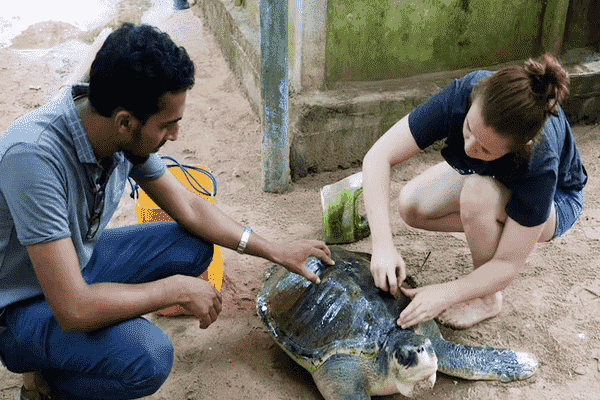
Activities include monitoring nesting sites, collecting data on turtle behavior and population, managing turtle hatcheries, and conducting educational programs. Volunteers will collaborate with stakeholders to reduce turtle bycatch in fishing nets and participate in beach clean-ups.

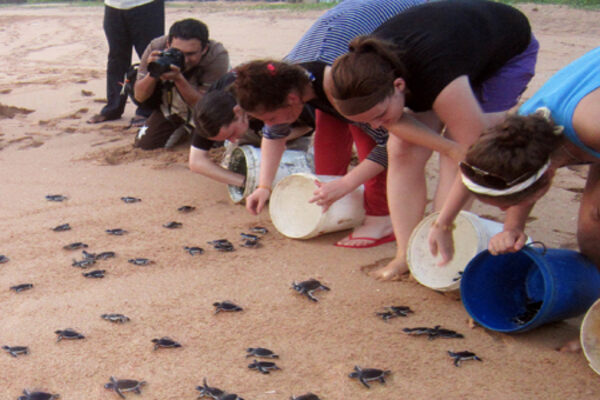
Volunteers will also assist in the operation of a turtle hatchery, relocating eggs from vulnerable nesting sites and releasing baby turtles into the ocean. Education and awareness programs will be conducted to promote turtle conservation.

By joining the Turtle Conservation Volunteer Project, participants will actively contribute to the protection of endangered sea turtles, gain valuable conservation experience, and immerse themselves in Sri Lanka's cultural heritage.

In summary, the Turtle Conservation Volunteer Project in Sri Lanka offers a rewarding experience for conservation-minded individuals to make a difference in the survival of sea turtles. Through their efforts, volunteers will contribute to conservation efforts, foster environmental responsibility, and create lasting memories.
Images

Program Activities:

  • Nesting Site Monitoring: Volunteers will work with local staff to monitor turtle nesting sites on the beaches in Galle and Balapitiya. This involves regular night patrols to locate nesting females and record the number of eggs laid.
  • Egg Collection and Relocation: Volunteers will collect the eggs laid on the beaches and transport them to a safe hatchery to protect them from predators and poachers. They will also record vital data about the eggs, including the date of collection, number of eggs, and location of the nest.
  • Hatchery Maintenance: Volunteers will help maintain the hatcheries by keeping them clean, monitoring the temperature and humidity, and checking on the eggs.
  • Hatchling Release: Once the hatchlings have hatched, volunteers will help release them safely into the sea and record data about the release.
  • Community Education: Volunteers will help educate local communities about the importance of turtle conservation and the role they can play in protecting these endangered species. This may involve delivering presentations to schools and community groups or working with local businesses to promote sustainable tourism.
  • Beach Cleanup: Volunteers may also participate in beach cleanup activities to help keep the nesting sites and hatcheries clean and free from debris.

Program Duration:

This program is available for a minimum of 2 weeks up to a maximum of 4 weeks.

Application requirements:

  • This program is open to both male and female volunteers who have a passion for marine conservation and an interest in protecting endangered species.
  • No previous experience is required, but volunteers should be physically fit and able to work in a hot and humid environment.
  • All volunteers must be at least 18 years older. (Children under 18 with their parents are eligible)
  • Volunteers must have a valid passport, travel insurance and obtain a visa to enter Sri Lanka.
  • Police Background Check: All volunteers are required to provide a police background check prior to starting the program. This is to ensure the safety and protection of the children and the local community.

Accommodation:

Volunteers will be provided with safe and comfortable shared accommodations, located at the project or within close proximity. Basic amenities such as beds, fans, and bathroom facilities will be provided to ensure volunteers have a comfortable stay during their time in the program. The accommodation will offer a chance for volunteers to connect with like-minded individuals and share experiences, fostering a sense of camaraderie and cultural exchange. Families will have private bedrooms and bathroom facilities. Volunteers will also have access to a communal kitchen and living area.

Meals:

Volunteers will be provided with three nutritious meals per day, including vegetarian options. The meals will be prepared using locally sourced ingredients, giving volunteers an opportunity to savour traditional Sri Lankan cuisine. Dietary restrictions or preferences can be accommodated if communicated in advance.

Program Fees:

Please contact the SLVP team directly for detailed information regarding the program fee. The program fee typically covers accommodation, meals, airport transfers, program coordination, orientation, training, administration, and support services. Volunteers are responsible for their airfare, travel insurance, visa fees, and any other expense of personal nature including local transport, sightseeing, etc.

Program Support:

Program Orientation: Upon arrival, volunteers will receive a comprehensive orientation, including information about project activities, safety guidelines, and cultural sensitivities. This orientation will help volunteers acclimate to the program and understand their roles and responsibilities. Program Coordinators: Dedicated program coordinators will be available throughout the program to provide support, guidance, and address any concerns or questions volunteers may have. 24/7 Emergency Support: In case of any emergencies or urgent situations, a 24/7 emergency support system will be in place to assist volunteers and ensure their well-being.